This website is intended for UK healthcare professionals only. Not a UK healthcare professional? Click here.


Guidance
Setting and achieving LDL-C lowering treatment targets
Guidelines provide evidence-based treatment targets, proven to be both clinically-effective and cost-effective.1–3
Concomitant use of NUSTENDI®/NILEMDO® with simvastatin >40 mg daily is contraindicated; please refer to the relevant SmPC for more information.4,5
The updated ESC/EAS 2025 dyslipidaemia guidelines provide recommendations on lipid modification strategies for managing dyslipidaemias to reduce CV risk.3
The 2025 focused update of the ESC/EAS 2019 Guidelines recommends non-statin LDL-C lowering agents with proven CV benefit, including bempedoic acid to reduce CV risk and lower LDL-C, if LDL-C goals are not met with the maximum tolerated dose of a statin.3
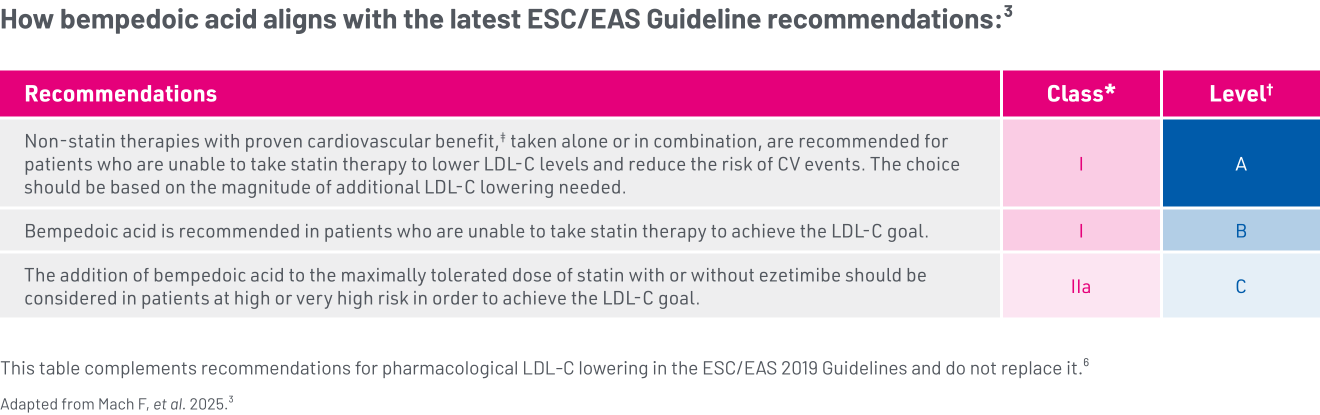
The 2025 focused update of the 2019 ESC/EAS guidelines for the management of dyslipidaemias recommends risk-stratified LDL-C lowering in patients not at target.3
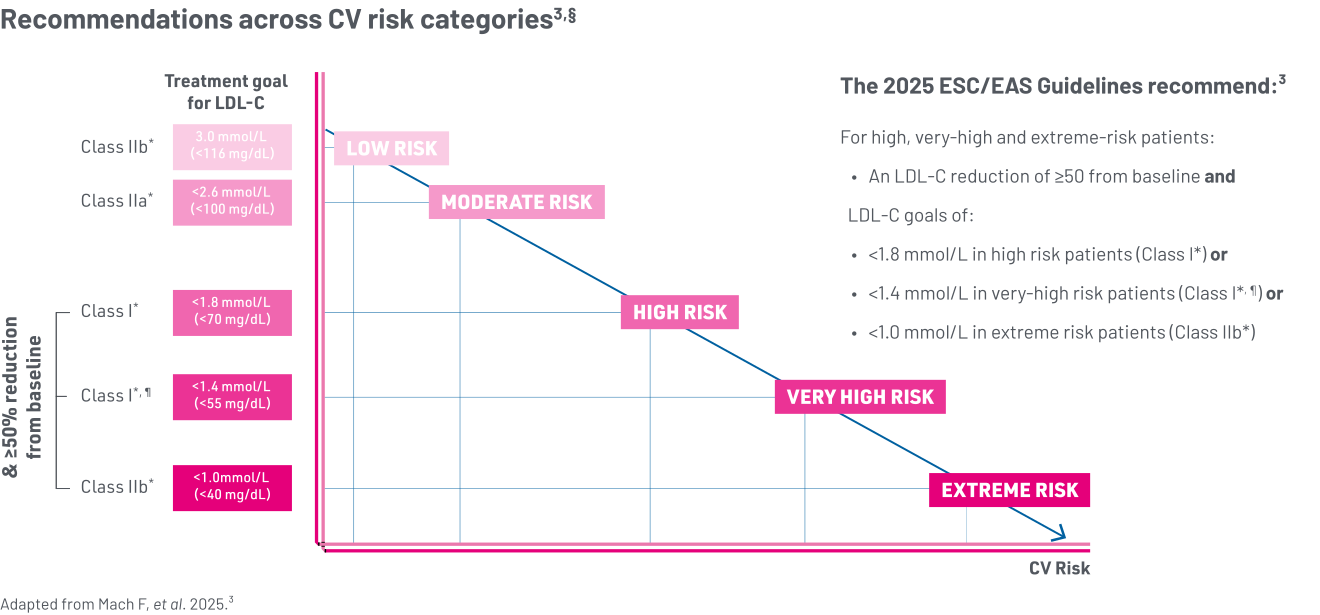
LDL-C levels of <1.8 mmol/L have been associated with plaque regression and stabilisation7,8
*Class of recommendation definitions: Class I – is recommended or is indicated; Class IIa – should be considered; Class IIb – may be considered; Class III – is not recommended.3
†Level of evidence definitions: A – Data derived from multiple randomised clinical trials or meta-analyses; B – Data derived from a single randomised clinical trial or large non-randomised studies; C – Consensus of opinion of the experts and/or small studies, retrospective studies, registries.3
‡Ezetimibe, PCSK9 monoclonal antibodies, bempedoic acid.3
§ESC/EAS 2025 guidelines definitions: Extreme risk: Patients with ASCVD who experience recurrent vascular events while taking maximally tolerated statin-based therapy; patients with polyvascular (e.g. coronary and peripheral) arterial disease. Very high risk: defined as people with any of the following: documented ASCVD, either clinical or unequivocal on imaging; documented ASCVD includes previous ACS (MI or unstable angina), chronic coronary syndromes, coronary revascularisation (PCI, CABG, and other arterial revascularisation procedures), stroke and TIA, and peripheral arterial disease. Unequivocally documented ASCVD on imaging includes those findings that are known to be predictive of clinical events, such as significant plaque‖ on coronary angiography or CT scan or on carotid or femoral ultrasound or markedly elevated CAC score by CT.# DM with target organ damage,Δ or at least three major risk factors, or early onset of T1DM of long duration (>20 years); severe CKD (eGFR <30 mL/min/1.73m2); a calculated SCORE2 or SCORE2-OP ≥20% for 10-year risk of fatal or non-fatal CVD; FH with ASCVD or with another major risk factor. High risk: defined as people with any of the following: markedly elevated single risk factors, in particular TC >8 mmol/L (>310 mg/dL), LDL-C >4.9 mmol/L (>190 mg/dL), or BP ≥180/110 mmHg; patients with FH without other major risk factors; patients with DM without target organ damage,Δ with DM duration ≥10 years or another additional risk factor; moderate CKD (eGFR 30–59 mL/min/1.73 m2); a calculated SCORE2 or SCORE2-OP ≥10% and <20% for 10-year risk of fatal or non-fatal CVD. Moderate risk: defined as people with any of the following: young patients (T1DM <35 years; T2DM <50 years) with DM duration <10 years, without other risk-factors; a calculated SCORE2 or SCORE2-OP ≥2% and <10% for 10-year risk of fatal or non-fatal CVD. Low risk: defined as a calculated SCORE2 or SCORE2-OP <2% for 10-year risk of fatal or non-fatal CVD.3
¶Class IIa for individuals in primary prevention with FH at very high risk.3
‖Typically defined by >50% stenosis.3
#e.g. CAC score >300.3
ΔTarget organ damage is defined as microalbuminuria, retinopathy, or neuropathy.3
Concomitant use of NUSTENDI®/NILEMDO® with simvastatin >40 mg daily is contraindicated; please refer to the relevant SmPC for more information.4,5
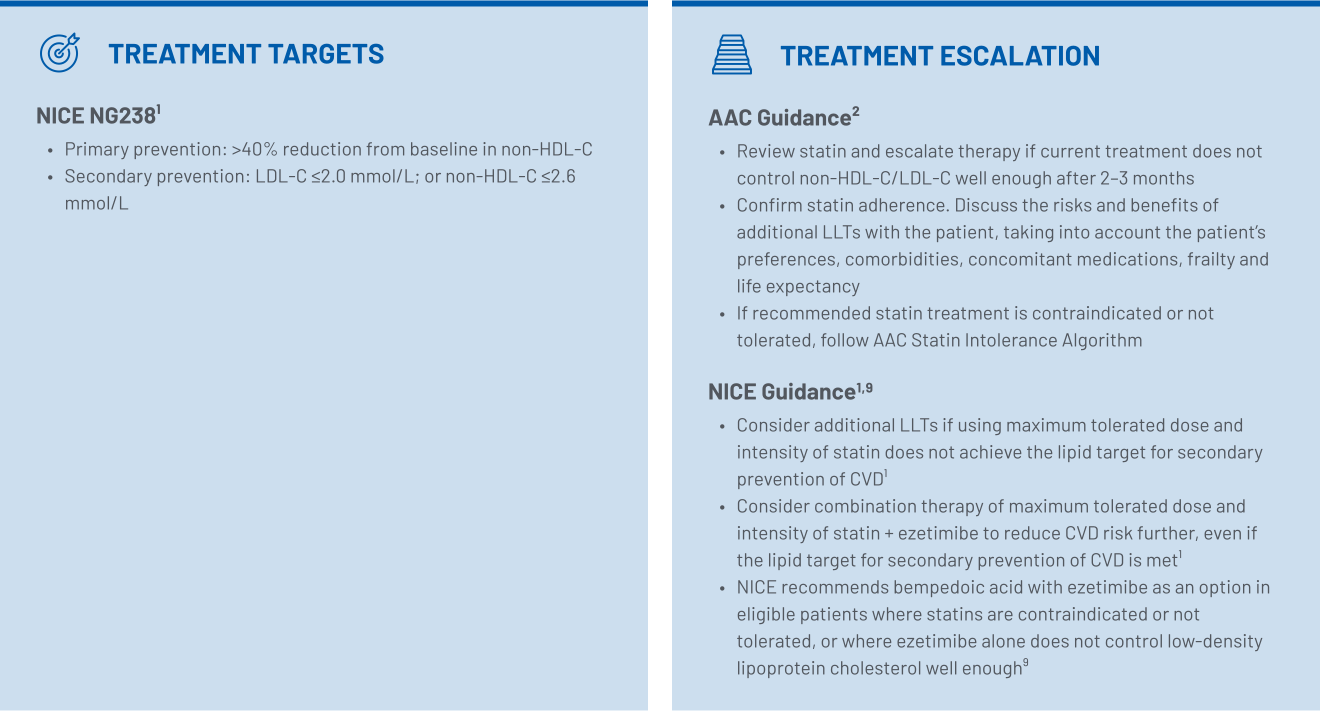
The NICE NG238 and AAC guidance covers lipid management and treatment targets for primary and secondary prevention of CVD.1,2
Concomitant use of NUSTENDI®/NILEMDO® with simvastatin >40 mg daily is contraindicated; please refer to the relevant SmPC for more information.4,5
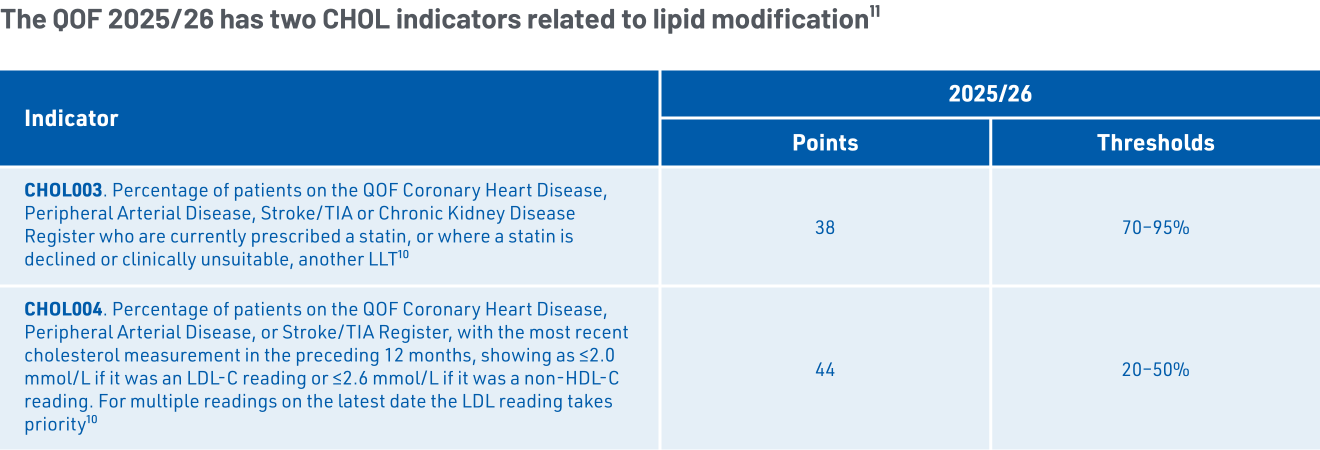
To support ambitions to reduce premature mortality from heart disease or stroke by 25% within a decade, the QOF 2025/26 has introduced significant changes focused on CVD prevention. This comprises the reallocation of 141 QOF points (worth £198 million) across nine CVD prevention indicators, including its two CHOL indicators.10
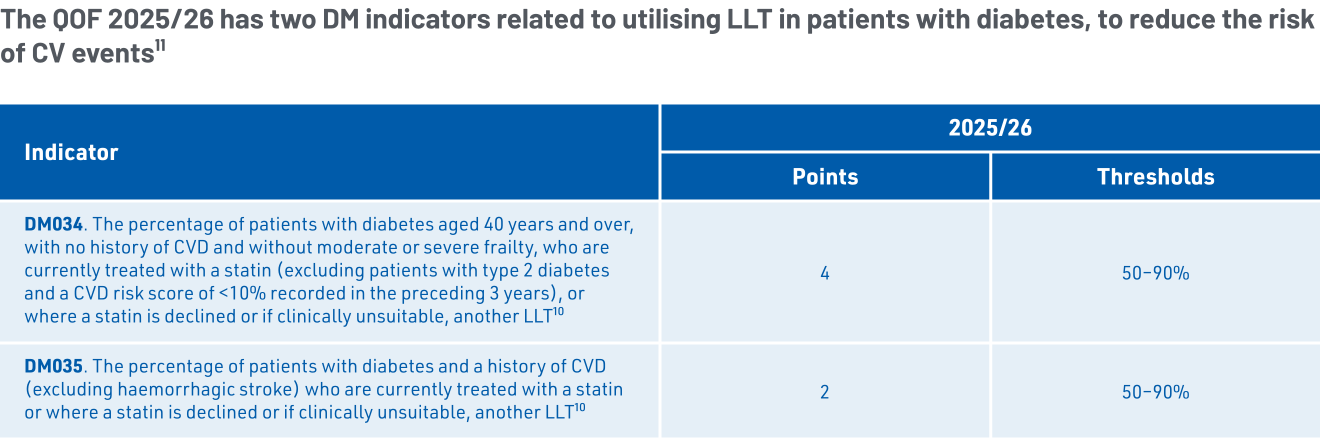
Concomitant use of NUSTENDI®/NILEMDO® with simvastatin >40 mg daily is contraindicated; please refer to the relevant SmPC for more information.4,5
The CVD prevention scheme focuses on identifying patients at risk of developing CVD, thereby helping to reduce the risk of its onset.12
Summary of the key information only, for full information please visit Health Improvement Scotland Right Decision Service website.13
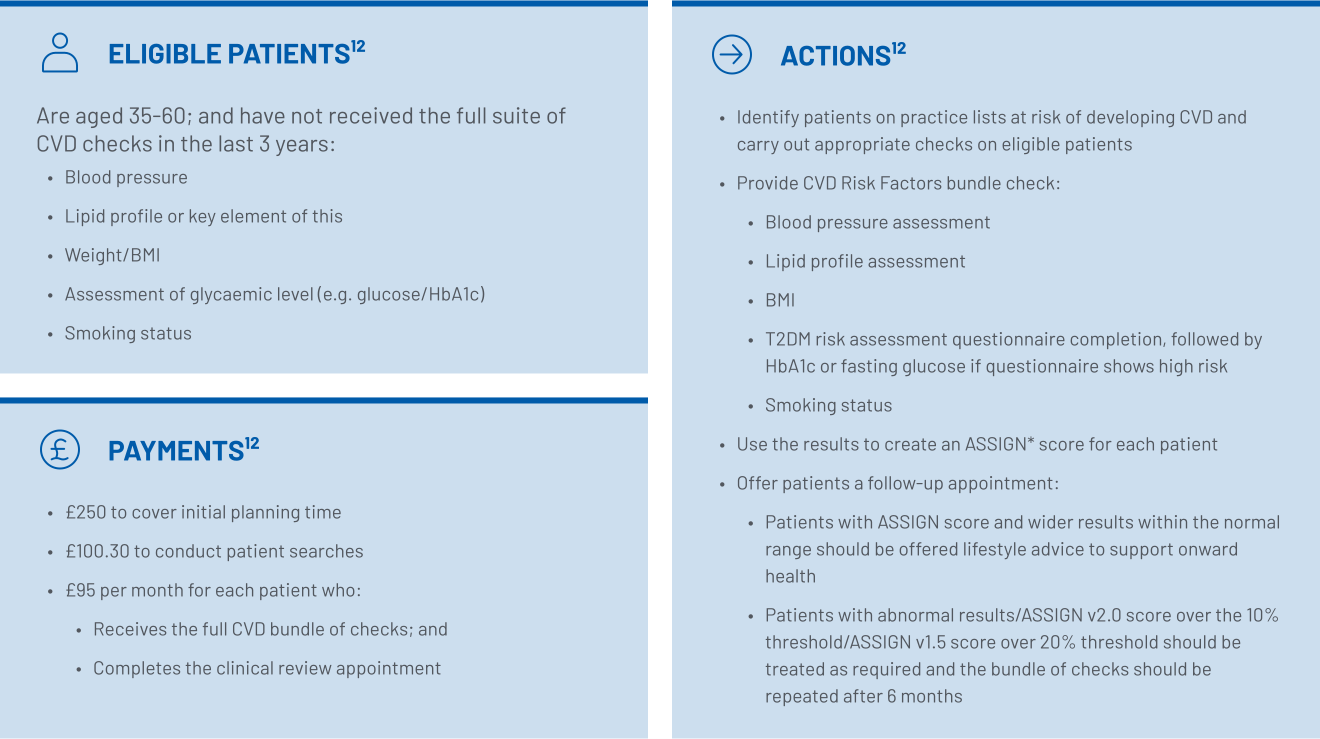
The Health Improvement Scotland Right Decision Service
The Health Improvement Scotland Right Decision Service has a ‘Treat to Target’ of <1.8 mmol/L LDL-C or equivalent of <2.5 mmol/L non-HDL for secondary prevention.13
*ASSIGN is a CV risk score (0-100) which estimates the 10-year percentage risk of developing CVD for individuals in Scotland who do not currently have a diagnosis of CVD. ‘High-risk’ score ≥10 should be offered targeted risk reduction advice and treatments in line with current SIGN guidelines.14
Concomitant use of NUSTENDI®/NILEMDO® with simvastatin >40 mg daily is contraindicated; please refer to the relevant SmPC for more information.4,5
Summary of the key information only. For full information, please visit the Welsh Government website.
The QI projects aim to improve clinical outcomes through addressing health inequalities and enhancing the patient and carer experience15
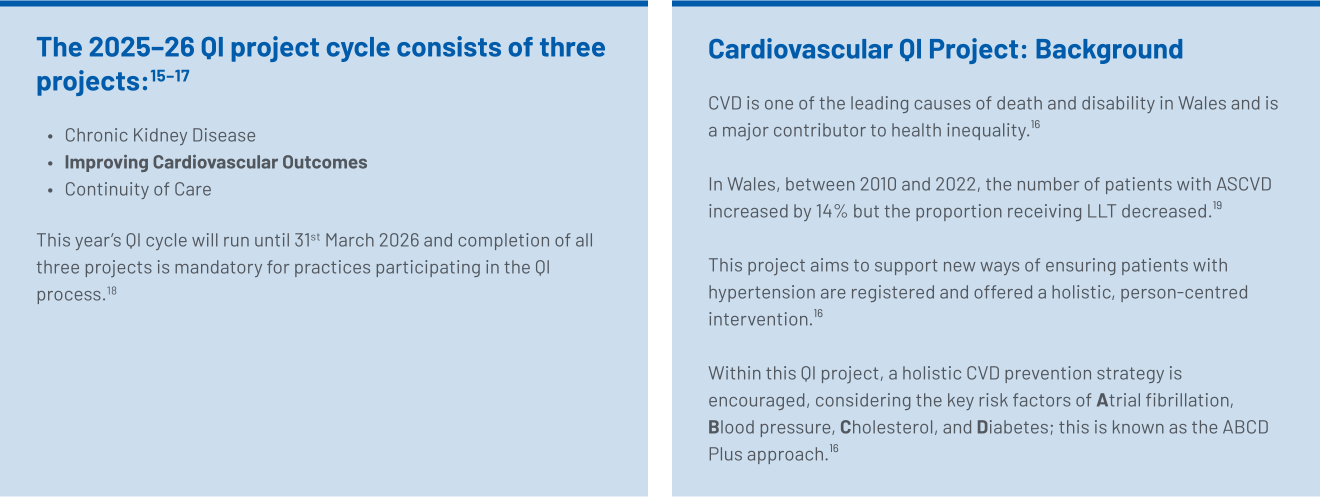
CVD QI projects (2025–2026) aim to support practices in ensuring patients with hypertension are offered a holistic, person-centred intervention16
Contractors will be able to implement approaches to CVD prevention from a menu of options by the end of 31st March 2026.20
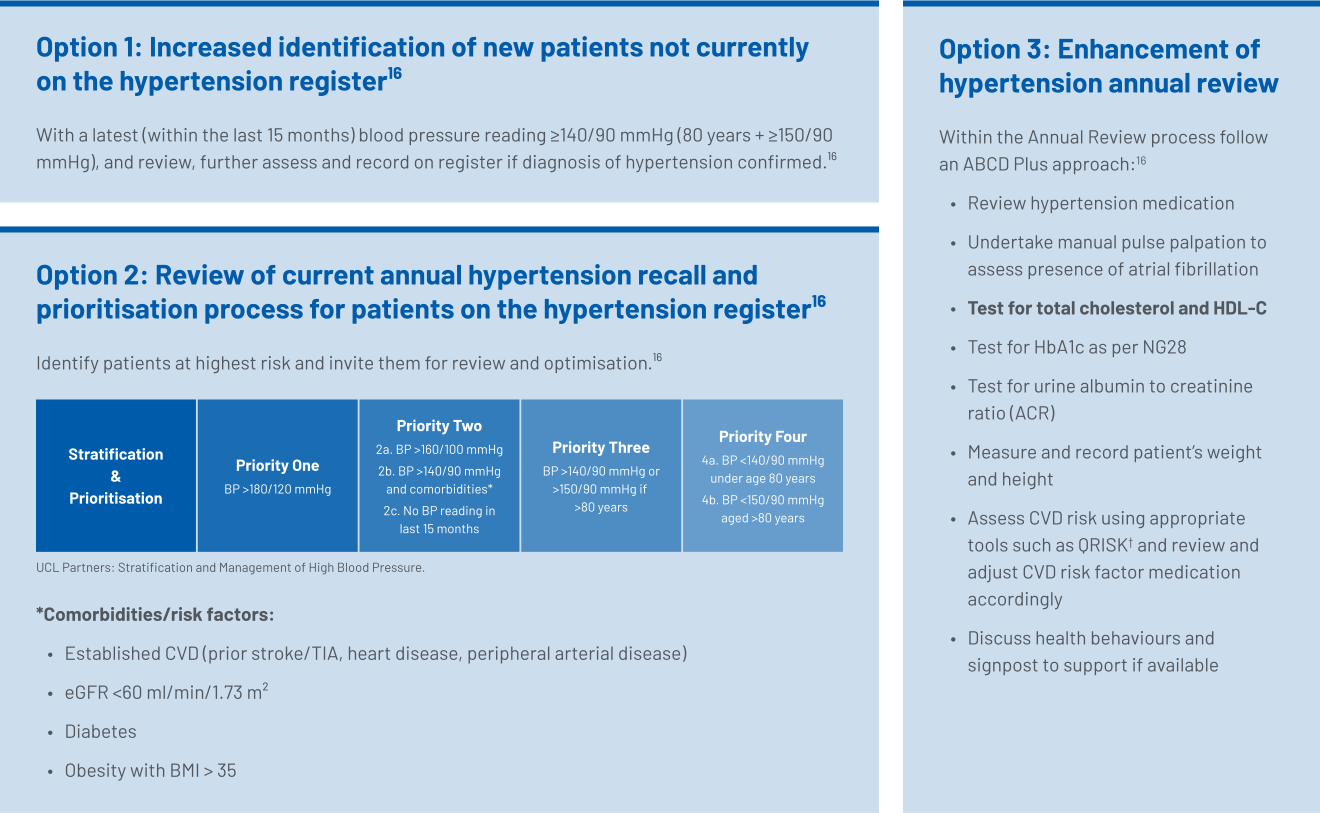
Verification and achievement: Practices will need to demonstrate achievement of one or more of the options listed in the Menu of Options for Quality Improvement Activity, by 31st March 2026, by completion of the nationally agreed QI Poster shared and discussed with the collaborative and shared with the LHB. A poster template and further guidance for completion will be circulated to practices by end of October 2025.16
†QRISK3 is a validated tool that is recommended by NICE for CVD risk stratification in primary prevention patients. It uses age, sex, ethnicity, smoking status, comorbidities (diabetes, angina/CVD family history, CKD, atrial fibrillation, migraines, rheumatoid arthritis, SLE, severe mental illness, erectile dysfunction), concomitant medications (antihypertensive, antipsychotic, steroid), lipid levels and blood pressure to calculate a person’s average risk of developing a heart attack or stroke over the next 10 years.1,21
References
- National Institute for Health and Care Excellence. Cardiovascular disease: risk assessment and reduction, including lipid modification [NG238]. December 2023. Available at: https://www.nice.org.uk/guidance/ng238/chapter/Recommendations Accessed: October 2025.
- NHS England. Summary of national guidance for lipid management. September 2024. Available at: https://www.england.nhs.uk/aac/publication/summary-of-national-guidance-for-lipid-management/ Accessed: October 2025.
- Mach F, et al. Eur Heart J. 2025; ehaf190, https://doi.org/10.1093/eurheartj/ehaf190 Accessed: October 2025.
- NUSTENDI® Summary of Product Characteristics.
- NILEMDO® Summary of Product Characteristics.
- Mach F, et al. Eur J Heart. 2020;41:111–188.
- Masana L, et al. Pharmacol Res. 2023;190:106738.
- Nicholls SJ, et al. JAMA. 2016;316(22):2373–2384.
- NICE. Bempedoic acid with ezetimibe for treating primary hypercholesterolaemia or mixed dyslipidaemia [TA694]. Available at: https://www.nice.org.uk/guidance/ta694. Accessed: October 2025.
- NHS England. Changes to the GP contract in 2025/26. March 2025. Available at: https://www.england.nhs.uk/long-read/changes-to-the-gp-contract-in-2025-26/ Accessed: October 2025.
- NHS England. Quality and Outcomes Framework Guidance for 2025/26. March 2025. Available at: https://www.england.nhs.uk/wp-content/uploads/2025/03/quality-outcomes-framework-guidance-for-2025-26.pdf Accessed: October 2025.
- NHS Scotland. Cardiovascular Disease Prevention Scheme – Directed Enhanced Service. NHS Circular: PCA(M)(2025)02. April 2025. Available at: https://www.publications.scot.nhs.uk/files/pca-2025-m-02.pdf Accessed: October 2025.
- Health Improvement Scotland Right Decision Service. Available at: https://rightdecisions.scot.nhs.uk/national-cardiovascular-disease-cvd-prevention-and-risk-factors-toolkit/ Accessed: October 2025.
- Healthcare Improvement Scotland. ASSIGN (v2.0). June 2025. Available at: https://rightdecisions.scot.nhs.uk/assign-v20/assign-cardiovascular-risk-score-calculator/ Accessed: October 2025.
- Welsh Government. Chronic kidney disease (CKD) quality improvement project 2025 to 2026. June 2025. Available at: https://www.gov.wales/chronic-kidney-disease-ckd-quality-improvement-project-2025-2026 Accessed: October 2025.
- Welsh Government. Practice guidance for CVD Prevention in People with High Blood Pressure QI project. June 2025. Available at: https://www.gov.wales/cardiovascular-disease-cvd-prevention-people-high-blood-pressure Accessed: October 2025.
- Welsh Government. Continuity of Care Quality Improvement Project GMS Quality Improvement Framework 2025/26. Available at:
https://www.gov.wales/sites/default/files/publications/2025-06/continuity-of-care-quality-improvement-project-specification-2025-to-2026_pdf.pdf Accessed: October 2025. - Welsh Government (QI project guidance for 2025–26, September 13, 2025).
- Harris DE, et al. Eur J Prev Cardiol. 2024;31(15):1778–1798.
- Welsh Government. General practice management. Available at:
https://www.gov.wales/general-practice-management Accessed: October 2025. - Endeavour Predict CIC. QRISK3-2018 calculator. Available at: https://qrisk.org/index.php Accessed: October 2025.
Abbreviations
AAC, Accelerated Access Collaborative; ACR, albumin to creatinine ratio; ACS, acute coronary syndromes; ASCVD, atherosclerotic cardiovascular disease; BMI, body mass index; BP, blood pressure; CABG, coronary artery bypass graft surgery; CAC, coronary artery calcium; CHOL, cholesterol; CKD, chronic kidney disease; CT, computed tomography; CV, cardiovascular; CVD, cardiovascular disease; DM, diabetes mellitus; EAS, European Atherosclerosis Society; DES, Directed Enhanced Service; eGFR, estimated glomerular filtration rate; ESC, European Society of Cardiology; FH, familial hypercholesterolaemia; HbA1c, haemoglobin A1c; HDL-C, high-density lipoprotein cholesterol; LDL, low-density lipoprotein; LDL-C, low-density lipoprotein cholesterol; LHB, Local Health Board; LLT, lipid-lowering therapy; MI, myocardial infarction; NG28, NICE Guideline 28; NICE, National Institute for Health and Care Excellence; PCI, percutaneous coronary intervention; PCSK9, proprotein convertase subtilisin/kexin type 9; QI, quality improvement; QOF, Quality and Outcomes Framework; SCORE2, Systematic Coronary Risk Evaluation 2; SCORE2-OP, Systematic Coronary Risk Evaluation 2-Older Persons; SLE, systemic lupus erythematosus; SmPC, Summary of Product Characteristics; T1DM, type 1 diabetes mellitus; T2DM, type 2 diabetes mellitus; TC, total cholesterol; TIA, transient ischaemic attack; UCL, University College London.
Job code: UK/BIL/09/25/0006|Date of preparation: October 2025